
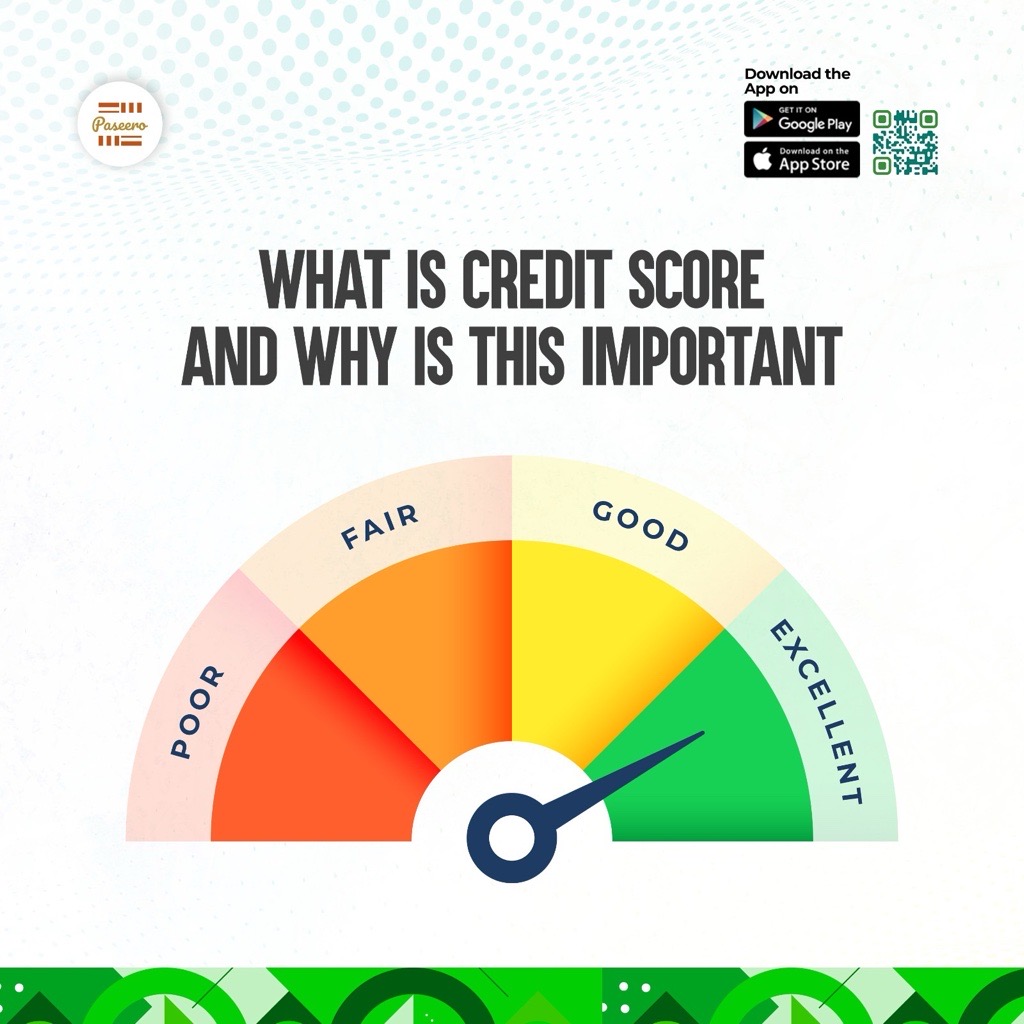
What Is a Credit Score and Why Is It Important?
Most people know that saving money and earning a steady income matter. Fewer realise that lenders are also quietly scoring their financial history, and that this score decides whether they get approved quickly, slowly, or not at all. This post explains what a credit score means, how it works in Nigeria, and why is credit score important for you personally and for your business, so you're never caught off guard by it again.
What Is a Credit Score? Credit Score Meaning Explained
A credit score is a number that summarises how reliably you have repaid borrowed money in the past. Think of it as a financial reputation (creditworthiness) that follows you from lender to lender, even ones you've never dealt with before. Scoring ranges vary by bureau:
- CRC Credit Bureau and First Central: 300 to 850
- CreditRegistry: 100 to 999
In Nigeria, this number is calculated by independent companies called credit bureaus, and there are three licensed by the Central Bank of Nigeria (CBN): CRC Credit Bureau, Credit Registry, and First Central Credit Bureau. Each one collects data from banks, fintech lenders, and sometimes other institutions, then produces its own version of your score. That's why Ada could technically have three slightly different scores at once, one from each bureau, all describing the same underlying financial history.
How Does Credit Score Work in Nigeria?
Credit bureaus pull repayment data (loan amounts, payment dates, defaults) from the banks and lenders you've borrowed from, then use it to generate a score that any other lender can check before approving your next request. The bureaus act as a shared memory system for the entire lending industry.
Lenders typically distinguish between two types of scoring when assessing applications:
- Personal Credit Score: Tied to your individual repayment history.
- Business Credit Profile: Built from a registered company's own borrowing and repayment record (where available).
Many small business owners in Nigeria only have a personal score on file. This means a personal missed payment can quietly affect a business loan application later.
Your credit score affects loan approvals, the interest rate you're offered, and how many financial opportunities open up to you, from a personal loan to business working capital.
Why Is Credit Score Important for Individuals and Business Owners?
The Nigeria's Credit Landscape Report 2025 highlights the following key statistics:
- 64% of Nigerian adults are financially included (owning a bank account or mobile wallet).
- Only about 6% of adults actually access credit through formal institutions.
- Credit to the private sector sits at just 13.1% of GDP, significantly below peer economies like Kenya and South Africa.
In a market this tight, a strong credit score is a vital tool and a genuine advantage over other applicants.
For individuals, that advantage shows up as faster approvals and better interest rates on personal goals: school fees, rent, medical bills, or a car.
For business owners, it shows up in working capital. According to the 2025 Credit Landscape Report, average disbursed loan values for small business owners grew 23.5% in 2025, from 363,000 naira to 449,000 naira, much of it going toward restocking, equipment, and other small business needs. A poor credit score doesn't just delay a loan for a business owner. It can mean missing the exact restocking window a seasonal business depends on.
What Is a Good Credit Score Number in Nigeria?
Bureaus differ slightly, but scores generally fall into four bands: poor, fair, good, and excellent, with higher numbers signalling lower risk to a lender. Three factors drive most of your score:
- Repayment history: whether you've paid on time, which carries the most weight.
- Credit utilisation (how much of your available credit you're actually using): staying well below your limit signals control, not desperation.
- Length of credit history: a longer track record of responsible borrowing builds more trust than a short one.
How Can You Check and Improve Your Credit Score in Nigeria?
You can request your score directly from a CBN-licensed bureau online, often for free once a year, without visiting a bank branch. Most bureaus now offer a self-service portal or app for this.
Building a stronger score comes down to a few consistent habits: pay every loan on or before its due date, avoid stacking multiple loans at once, and keep your utilisation low relative to your limit. For business owners specifically, it also helps to formally register your business and keep its finances separate from your personal accounts, since a documented, separate track record is exactly what lenders and bureaus need to eventually build a business credit profile alongside your personal one.
The same logic behind a credit score, a visible, verifiable track record of reliability, is part of why platforms like Paseero use escrow (a third party holding payment until both sides confirm the deal is complete) for online transactions. It won't build your credit score, but it does give small vendors a documented history of completed, protected sales, the kind of trust signal that matters just as much to buyers today as a credit history does to lenders.
Note: Escrow services provide trust signals for transactions, but they are not reported to credit bureaus and do not impact your official credit score.
Frequently Asked Questions About Credit Score in Nigeria
What is a credit score in simple terms?
A number that shows lenders how reliably you've repaid money you've borrowed before.
Is a credit score the same as a credit report?
No. The report is your full financial history; the score is the single number summarising it.
How many credit bureaus operate in Nigeria?
Three, all licensed by the CBN: CRC Credit Bureau, Credit Registry, and First Central Credit Bureau.
Can I check my credit score for free in Nigeria?
Yes, most bureaus offer a free or low-cost annual check through their online portal.
Does a good credit score help my small business, not just me personally?
Yes. Lenders often check your personal score when assessing a business loan, so it can speed up approval and improve your terms.
Why Does Building a Good Credit Score Matter for Your Future?
A credit score is really just a financial reputation, one number standing in for years of decisions. In a market where only 6% of Nigerians access formal credit, that reputation is one of the few advantages fully within your control.
- Your credit score reflects repayment history, credit utilisation, and how long you've been borrowing responsibly.
- It affects individuals and business owners differently, but the same good habits protect both.
- You can check it for free through a CBN-licensed bureau and start improving it today.
Whether you're applying for a personal loan like Ada or trying to fund your next restock like Tunde, the earlier you start building a clean credit history, the more options you'll have when you actually need them. Check your score with a licensed Nigerian credit bureau this week, and start closing the gap between where your finances are and where a good lender needs to see them.
Sources
-
Credit Direct, Nigeria Credit Landscape Report 2025 (published June 2026): https://www.creditdirect.ng/2025-credit-report
-
Credit Bureau Association of Nigeria (CBAN), FAQ: https://cban.ng/faq/