Personal Brand vs Business Page: Why Smart Business Owners Build Both
Personal Brand vs Business Page: What Each One Does Best
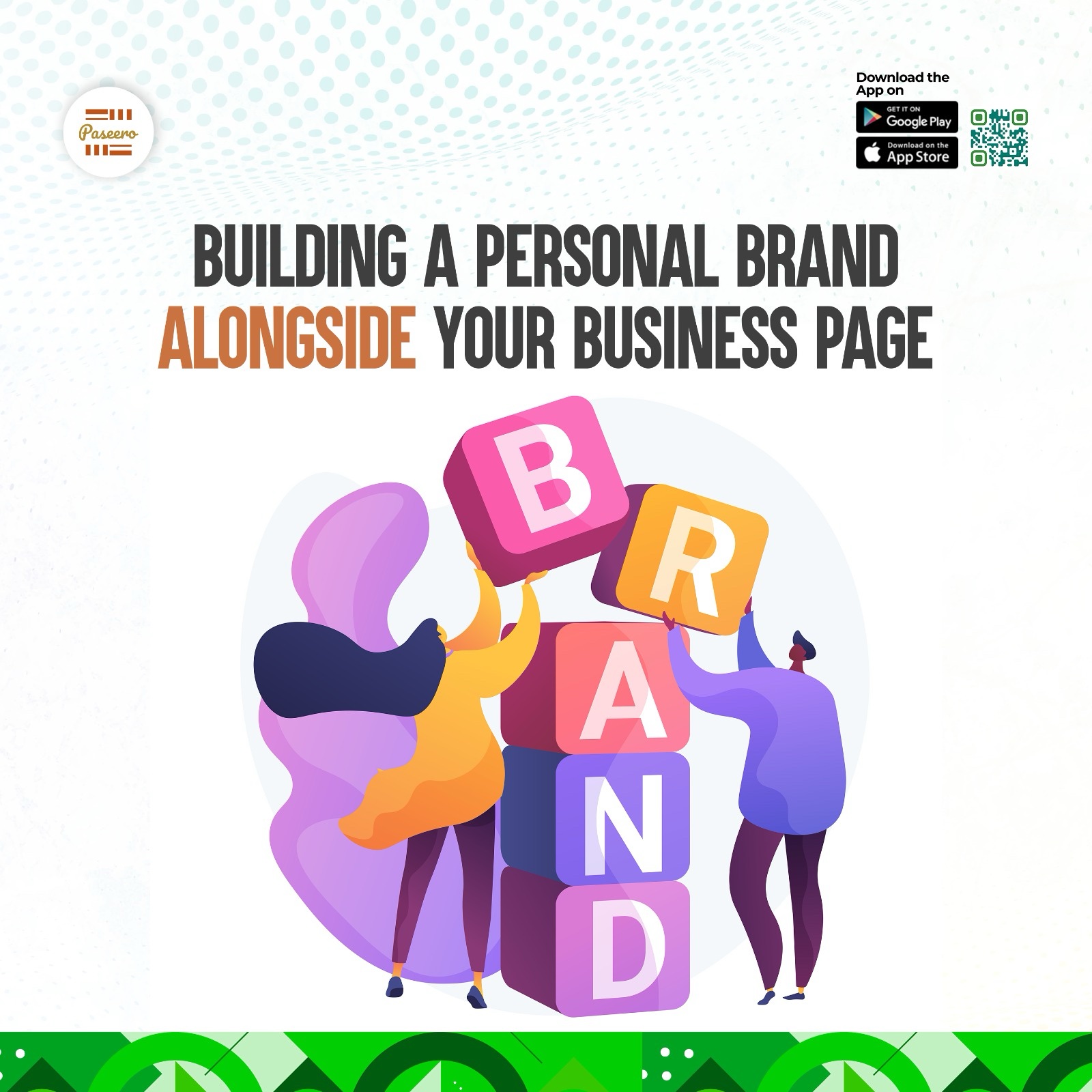
You need both, because they solve different problems. Your personal profile is the handshake: it carries your story, your opinions and the lessons you have learned. Your business page is the shopfront: it carries the portfolio, reviews (social proof), contact details and ads. One brings people in, the other convinces them to stay and buy.
There is one exception. If you are the product, as a coach, speaker or author is, a single brand can carry everything. Even then, a business page still helps with ads and gives buyers a neutral place to check your credentials.
Why People Trust Founders More Than Logos
People buy from people, and the numbers back it up. Edelman’s 2025 trust research found that, for the first time, trust carries equal weight with price and quality when people choose a brand. Trust is no longer a bonus. It is part of the price tag.
Platform data points the same way. Refine Labs tracked 10 months of LinkedIn posts and found that employee profiles consistently beat the company page, even when audience sizes were comparable. A separate DSMN8 analysis found company pages made up only 5.37% of the posts people actually saw in live feeds [3]. Both studies come from B2B (business to business) firms on LinkedIn, so treat them as a direction, not a promise for Instagram or TikTok. Still, the pattern is clear: a named person gets heard more easily than a logo.
How to Build a Personal Brand Without Confusing Your Audience
The usual worry is that two accounts will split your audience. That only happens when you post the same thing on both. The fix is simple: different roles, one shared identity.
Keep these separate: handles, bios, visuals, content calendars, domains and email lists. Keep these connected: your values, your voice and your cross links. Write “Founder at [Brand]” on your profile and “By [Your Name]” on the business page, so anyone who lands on one can find the other in a single tap. For example “Founder at “Paseero.ng”.
Should You Start with a Personal Brand or a Business Page?
Start personal. A new business page has no reviews and no history, while a real person can earn trust in a handful of posts. Once you have products, proof and some help, move more of your effort to the business page.
A common founder rule of thumb is about 80% business and 20% personal once both accounts are mature. Early on, flip it and learn personally. Treat that as a starting split to test, not a measured benchmark.
What if you have no customers yet? You do not need reviews to show how you think. Post one “how I made this” story a week, ask your first three buyers for a short voice note or screenshot of feedback, and answer the questions buyers keep sending you, in public. Consistency beats polish. People remember the seller who showed up every week, not the one who posted a perfect launch once.
What to Post on Your Personal Profile and Business Page
Teach and show on the personal profile, prove and sell on the business page. Picture a shoemaker in Kano. On her own profile she films one pair being stitched and explains why she rejects cheap glue. On the shop page she posts the price list, customer photos and delivery times. Same business, two jobs, and neither post could be swapped into the other account.
On your personal profile, share lessons learned, behind-the-scenes moments, honest opinions about your industry and the “how I think” posts that show your judgment. On the business page, keep to offers, testimonials, FAQs, team and hiring news, launches and ads.
Reputation Risk and Key Person Risk of Putting Your Name on Your Business
Yes, tying your name to the business carries two risks. Reputation risk means your mistakes hurt the business. Key person risk means the business depends on one person, so if you step away, sales stall. Both are manageable.
Keep contracts, money and legal records under the company, not your name. Add team voices over time so the brand can outlive any single face. Then let the personal brand open doors while the business brand holds the value.
How to Sell Through Your Personal Brand Without Sounding Pushy
Treat personal content as a value funnel. Teach something, show your process and share results, then let interested people click through to your business page or site for the offer. Hard sells on your personal feed burn the trust you worked to earn, so keep the pitch where it belongs.
When a Personal Brand Is Not Worth Building
Skip it when buyers choose on capacity, not people. Large enterprise tenders and regulated commodities are examples, where procurement teams ignore the founder and weigh systems and track record. There, lean on the business brand. For most consumer, small business and professional services, a personal brand still pays off.
Building Buyer Trust Beyond Your Brand
Your personal brand earns the first yes, but protection earns the payment. Even a buyer who trusts your face can hesitate at the transfer button, especially when online sellers have vanished with money before.
Paseero handles this the same way you split your brand: one layer for who people trust, another for where the money sits. Payment goes into escrow (a neutral third party holds it) and is released only when the buyer confirms the item arrived. For you as a seller, the personal profile brings the DM and escrow removes the fear of paying first. That is trust you can point to without begging for it.
A Simple Weekly Posting Plan for Personal and Business Accounts
Three to five personal posts and two to four business posts a week is a solid starting rhythm. Treat these numbers as a test, and adjust once you see what works.
To measure it, track inbound leads, profile visits, and saves and shares (engagement) for each channel. Then move your effort toward whichever one starts the most qualified conversations.
Start This Week
Rewrite both bios so they point to each other, then post one behind-the-scenes story from your own profile. Do that for four weeks, check which account sends you real inquiries, and put your next hour there. Your name opens the door. Your business page and your proof keep it open.
Sources