
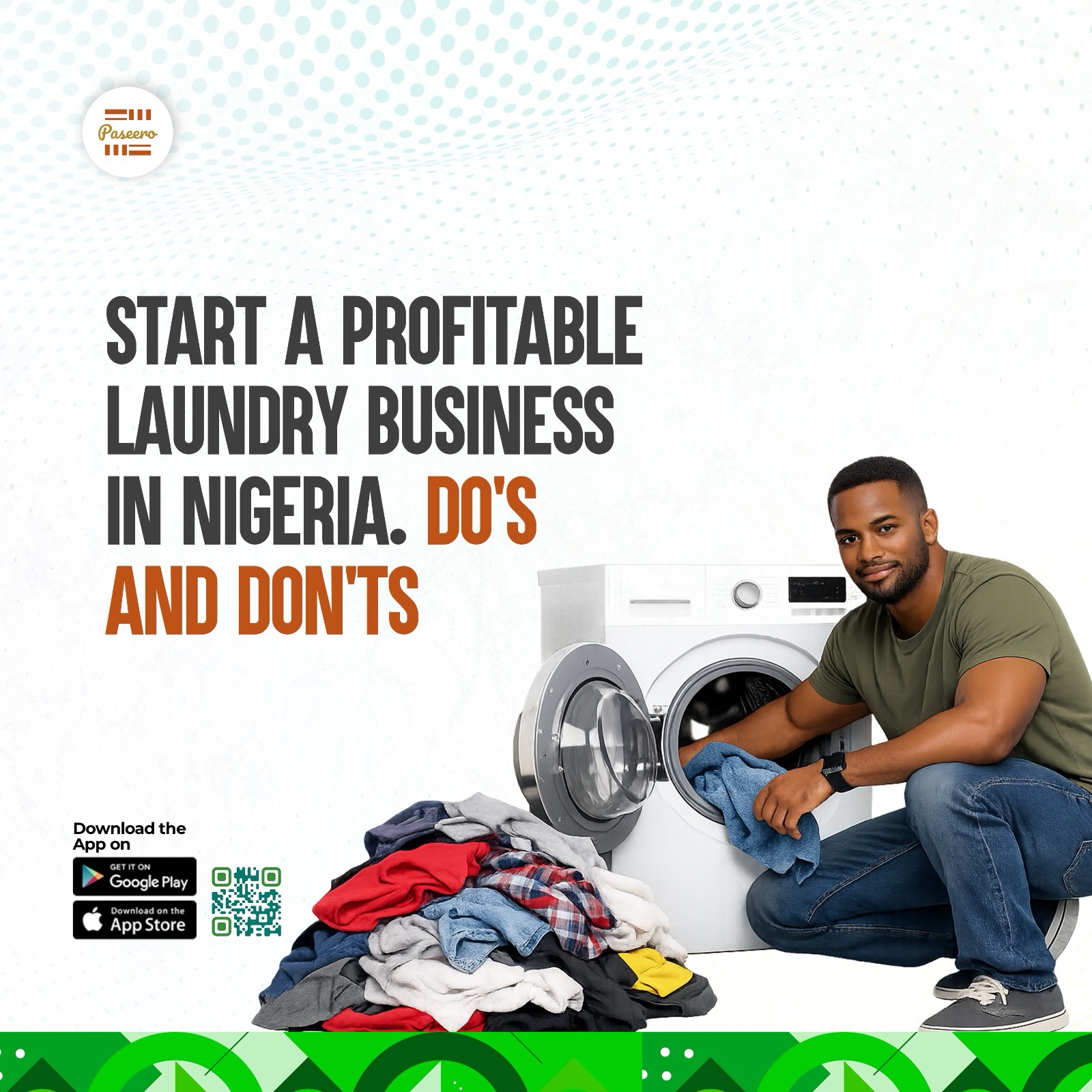
How to Start a Profitable Laundry Business in Nigeria: The Do's and Don'ts
Adaeze washes and irons about forty pieces of clothing a day from a single room in Surulere, and she still turns away customers some weeks. Laundry is one of the few businesses in Nigeria you can start on a tight budget and grow without waiting for anyone's approval. The same low barrier to entry that makes it attractive also means competitors open nearby within months, and mistakes on power, pricing, or equipment can wipe out months of savings before you’ve even fully established your business..
TL;DR
- Start small with ₦50,000 to ₦100,000, or budget ₦500,000 to ₦1,000,000 for a shop that can handle hotel and estate contracts.
- Register with the Corporate Affairs Commission (CAC) before your first job. Business name registration currently runs roughly ₦11,000 to ₦25,000, though fees are gazetted and change, so confirm on cac.gov.ng.
- Price a hybrid model: per kilogram (kg) for everyday wash and fold, per item for delicate or expensive pieces.
- Most laundry businesses fail from power and water gaps, not lack of customers. Plan for a generator or inverter and a water tank from day one.
- Buy equipment only from verified sellers, or use a platform that holds your payment until delivery, since equipment scams can wipe out your starting capital fast.
What Does It Cost to Start a Laundry Business in Nigeria?
You can start a laundry business in Nigeria with as little as ₦50,000 to ₦100,000 for a small, home-based setup, or ₦500,000 to ₦1,000,000 if you want a shop that can compete for hotel, gym, and estate contracts from day one.
Your budget covers more than a washing machine. Expect line items for a pressing iron, water storage (a tank or drum, since many areas have unreliable water supply), a generator or inverter, detergents, packaging nylon, and rent if you are not working from home.
Do not buy the biggest machine you can find. A basic washing machine that matches your current order volume is enough to start. You can upgrade once steady orders justify the cost.
The Do's: Registration, Equipment, and Location That Actually Work
Do register your business with the Corporate Affairs Commission (CAC) before you take your first paying job. Business name registration currently costs roughly ₦11,000 to ₦25,000 depending on the route you use, though CAC fees are gazetted and can change, so confirm the current figure on cac.gov.ng before you pay. Registering early protects your business name and lets you open a business bank account.
Do pick a location with steady foot traffic and less direct competition. An estate entrance, a busy road close to residential areas, or a spot near offices all work well, since customers need to notice you on their way past, not go out of their way to find you.
Do match your equipment to your real volume. A small generator, one washing machine, and a pressing iron are enough for a home-based start. Add a dryer, a second machine, or an inverter system once your weekly orders justify the running cost.
Is It Safe to Buy Laundry Equipment Online in Nigeria?
Not automatically. Equipment scams are one of the fastest ways a new laundry business loses its starting capital, and they usually follow the same pattern: an unusually low price, pressure to move the conversation to WhatsApp or a private bank transfer, and no way to confirm the machine actually exists before you pay.
Tunde in Port Harcourt found a “wholesale” washing machine deal on Instagram, paid ₦180,000 upfront to a personal account, and never heard from the seller again. It is a familiar story, and it is avoidable.
Buy from vendors you can verify (a physical shop, a traceable business, real customer reviews), or use a platform that protects the payment itself. On an escrow-based (payment held securely until you confirm the transaction) marketplace like Paseero, your money only reaches the seller once you have confirmed your equipment arrived and works as described, so a vanishing vendor cannot take your capital with them.
How Should You Price Your Laundry Services?
Use a hybrid model rather than one flat rate. Charge per kilogram (kg) for everyday wash-and-fold items like bedsheets, towels, and children's clothes, since this covers your base running costs and keeps machines full. Charge per item for anything that needs specialised handling, ironing a pleated skirt, dry cleaning an agbada, or pressing a corporate suit, because the skill and risk involved do not scale the same way weight does.
Do not guess your prices. Work out how many kilograms or pieces you need to wash weekly to cover rent, power, water, and detergent, then price from that number, not from what a competitor down the road is charging.
The Don'ts: Mistakes That Sink Laundry Businesses in Nigeria
Don't skip legal registration to save money now. Operating without CAC registration can block you from opening a business bank account and leaves your business name unprotected.
Don't ignore power and water planning. Washing machines, dryers, and pressing irons all need consistent power, and inconsistent water supply slows every stage of the job. Budget for a generator or inverter and a water storage tank from the start, not after your first big order fails.
Don't handle customer items without proper documentation. Label and log what comes in, note existing stains or damage before you wash, and be upfront if a stain will not come out. This single habit protects you from disputes that can cost you a customer's trust.
How Do You Get Your First Laundry Customers?
Start with people who already know you. Message your existing WhatsApp contacts directly rather than waiting for people to discover your business online. A short, direct message about your new service is usually all it takes to land your first job.
Ask satisfied customers for referrals, and consider a small incentive, a discount on their next wash, for every new customer they send your way. As you grow, target corporate contracts with hotels, gyms, and small hostels, which tend to offer more predictable, recurring income than individual customers.
Is a Laundry Business Actually Profitable in Nigeria?
Yes, for most small to medium operators. Laundry businesses in Nigeria commonly report monthly income between ₦100,000 and ₦500,000, depending on customer volume, pricing, and location.
Growth beyond that ceiling usually comes from consistency rather than more machines. A simple subscription plan (a fixed weekly or monthly fee for a set number of items) gives you predictable cash flow instead of chasing one-off jobs, and it rewards the customers who stick with you.
Frequently Asked Questions
How much money do I need to start a laundry business in Nigeria?
You can start from ₦50,000 to ₦100,000 for a home-based setup, or ₦500,000 to ₦1,000,000 for a shop that can handle hotel and estate contracts.
Do I need to register my laundry business with CAC?
Yes. Registering protects your business name and lets you open a business account and sign contracts. Budget roughly ₦11,000 to ₦25,000 in CAC fees, and confirm the current figure on cac.gov.ng before you pay.
Should I charge per kg or per item for laundry?
Use a hybrid model: per kg for everyday wash-and-fold, per item for delicate or expensive pieces like agbada or suits, so your pricing matches the actual risk and effort involved.
How do I avoid getting scammed when buying laundry equipment online?
Buy only from verified sellers, or use an escrow-based platform like Paseero, where your payment is only released to the seller after you confirm the equipment arrived in good working condition.
How much can a laundry business make in Nigeria?
Small to medium operators commonly report ₦100,000 to ₦500,000 in monthly income, though this depends on your customer volume, pricing, and location.
Sources
1. Entrepreneurs.ng – How to Start a Laundry Business in Nigeria and Succeed
2. Counseal – Start A Laundry Business In Nigeria: An 8-Steps Guide
3. TrendzCapital – How to Start a Profitable Laundry Business in Nigeria
4. CloudLaundry Blog – Pricing Per Kg vs. Per Item: The Definitive 2026 Profit Strategy
5. WithinNigeria – CAC Business Name Registration in Nigeria: Complete Online Guide for 2026
6. Entorm – 10 Common Challenges of Running a Laundry Business In Nigeria