Booming Businesses in Nigeria
A quick note before you read on.
A business booming in one place will not automatically boom in another. Several factors decide whether a business works: your starting capital, your location (Lagos and Abuja behave differently from Kano or Enugu), how crowded your specific niche already is, government rules for that sector, your own skills and network, and plain timing. Two people can sell the same product in the same city and get very different results because of these factors.
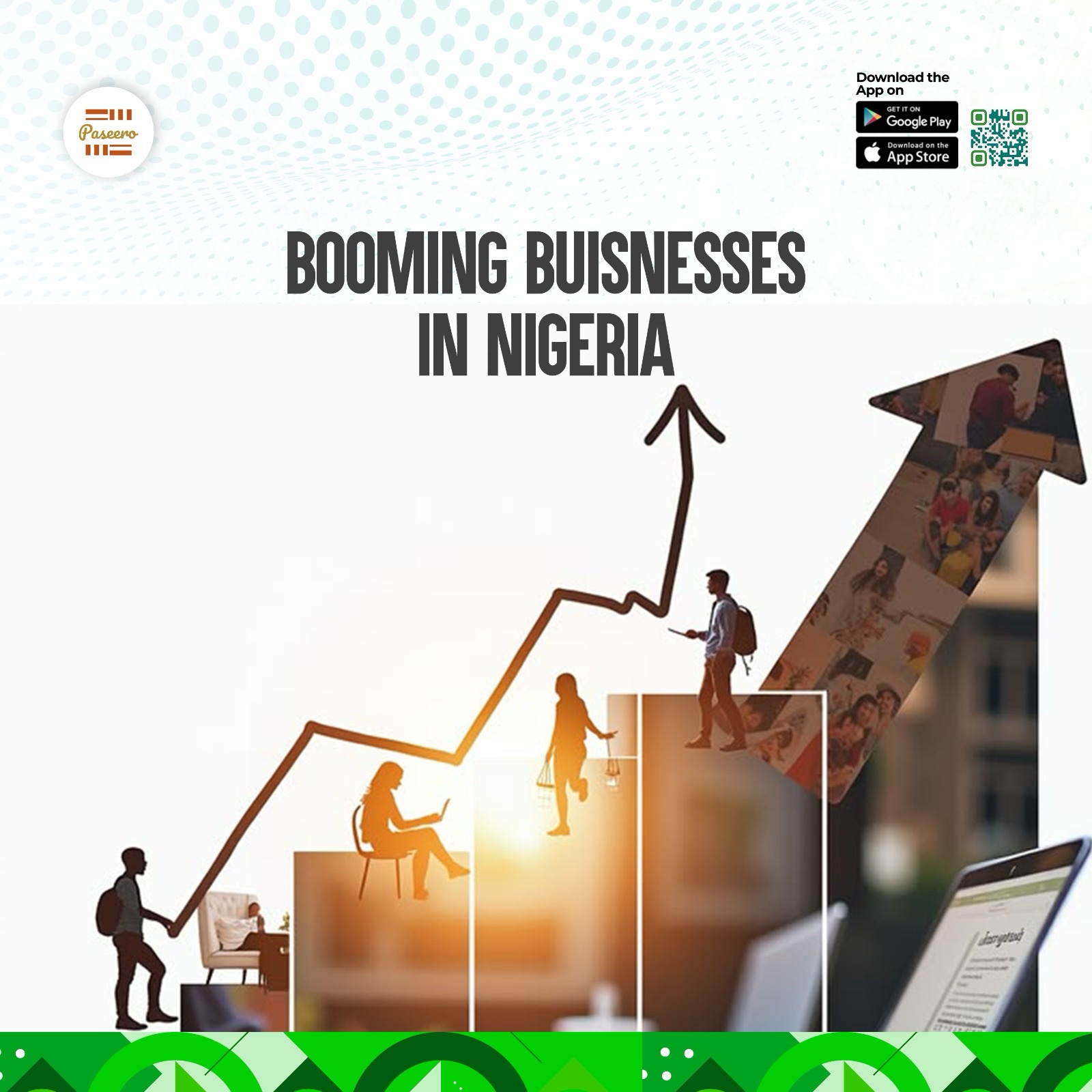
Several sectors are booming in Nigeria right now. Below are the most active and profitable ones you can consider, especially as an entrepreneur in Abuja or Lagos.
Which Sectors Are Growing Fastest In Nigeria Right Now?
Nigeria's economy grew 4.43% in the second quarter of 2026, with strong performance from agriculture, ICT (information and communications technology), finance, oil and gas, construction, transport, and real estate.
A few sub sectors stood out even more:
- Coal mining, oil refining, and metal ores posted the sharpest growth of any sub sector.
- Telecommunications and information services grew over 10%.
- Arts, entertainment, and recreation grew close to 12%, with film and music close behind.
- Agriculture and manufacturing kept strong momentum through Q2 and into August 2026.
These national numbers matter because they point to where money is already moving. Here are eight sectors worth a closer look.
1. Agribusiness And Processed Foods
Demand stays high for staple crops and their derivatives (rice, beans, garri, yam flour, rice flour, plantain chips, and packaged spices), for livestock and poultry (day old chicks, eggs, frozen chicken, catfish, and feed supply), and for farm inputs like fertilizers, seeds, small tools, and irrigation kits.
Agriculture remains one of the country's core growth drivers, and online groups and marketplaces are already a major channel connecting farm produce to bulk buyers and everyday consumers.
2. Fashion, Beauty, And Personal Care
This category stays active online and in seller communities: ready to wear clothing, shoes, bags, accessories, hair products, wigs, braiding hair, skincare, soaps, and perfumes.
The entry cost is low, repeat purchases are common, and the strong visual appeal of fashion and beauty products works well on platforms that favor engaging photos and video.
3. Electronics, Gadgets, And Accessories
Popular lines include phones and tablets (new and refurbished), power banks, chargers, earbuds, smartwatches, ring lights, tripods, and small home appliances like blenders, irons, fans, and mini fridges.
Nigerians rely heavily on social media and online reviews to verify sellers, compare prices, and order tech items, especially in Lagos and Abuja, which makes trust and product authenticity the main thing that separates a serious seller from the rest.
4. Home, Kitchen, And Lifestyle Products
Trending items include kitchenware (pots, non stick pans, food storage), home décor, bedsheets, curtains, organizers, and cleaning tools and detergents.
These products are practical, affordable, and easy to showcase with short videos or simple before and after posts, which keeps content creation cheap for a new seller.
This is not financial advice. Do your own research (checking real costs, real competitors, and real demand in your area) before you commit money to any idea on this list, and be honest with yourself about your capacity and your environment before you venture into anything.
5. Digital Services And Online Education
This one is growing fast, especially through social media, referrals, and online communities: social media management, content creation, and ad management for SMEs (small and medium enterprises), plus online courses in business skills, tech skills, language, and exam prep, and freelance services like graphics, video editing, web design, and virtual assistance.
ICT grew close to 10% in 2026, and younger entrepreneurs are actively paying for skills and services they can access online rather than in person.
6. Creative Industry And Entertainment
This niche covers music promotion, event tickets, comedy skits, short films, merchandise for artists and influencers, and photography or videography packages for events.
Nigeria's creative sector expanded roughly 9 to 12% in 2026 and is projected to generate about $4.9 billion in revenue, with social media still one of the main places people discover and buy from creators.
7. Logistics, Delivery, And ‘Buy For Me’ Services
This sector supports almost everything else on this list: intra city delivery (food, parcels, market runs), procurement services (buying from markets or online and delivering to the customer), and inter state transport coordination.
Big e-commerce players are consolidating their own delivery, but thousands of small businesses still rely on independent logistics partners they find through referrals and online communities.
8. Renewable Energy And Power Solutions
Demand keeps growing because of Nigeria's power challenges: solar panels, inverters, batteries, charge controllers, small home solar systems, pay as you go solar offers, and installation and maintenance services.
Energy transformation is named as a key opportunity area for 2026, and online reviews and word of mouth are often the first place a buyer checks an installer's or vendor's reputation before paying.
Whichever Sector You Pick, Protect The Money Changing Hands
Most of the businesses above involve direct transfers between strangers, a buyer and a seller who have never met in person, which is exactly why vendors vanish after payment and buyers dispute deliveries. An escrow (a setup where a neutral third party holds the payment until both sides confirm the deal went through) removes most of that risk. Paseero works this way for online buying and selling in Nigeria: the buyer's money sits with Paseero until they confirm the item arrived as described, so a new seller can build a track record without asking strangers to trust them blindly, and a buyer does not have to pay a stranger and hope.
Before You Start
Growth in a sector tells you demand exists somewhere. It does not tell you the demand exists in your city, at your price point, or with your starting capital. Talk to people already doing it, price out your real costs, check what your specific niche looks like in your area, and start small enough that a bad first month does not sink you.
Sources
- Legit.ng - Nigerian economy grows at fastest pace in 5 years, list of 10 top performing sectors, 2026. https://www.legit.ng/business-economy/economy/1728202-nigerian-economy-grows-fastest-pace-5-years-list-10-perfoming-sectors/
- Nairametrics - Top 10 fastest growing sectors in Nigeria in Q2 2026. https://nairametrics.com/2026/09/02/top-10-fastest-growing-sectors-in-nigeria-in-q2-2026/
- The Journal Nigeria - NBS names top ten growing sectors in Q2. https://thejournalnigeria.com/nbs-names-top-ten-growing-sectors-in-q2/
- Provideovault - Nigeria's digital commerce boom: a comprehensive market analysis of Africa's most populous economy in 2026. https://provideovault.com/nigerias-digital-commerce-boom-a-comprehensive-market-analysis-of-africas-most-populous-economy-in-2026/
- Atlantic Post NG - Nigeria's fastest growing business sectors in 2026. https://atlanticpostng.com/nigerias-fastest-growing-business-sectors-in-2026/